From the Archive - About our first space on E17's High Street
Can community kitchens exist it in the current economic climate? We don’t know. But we keep trying.
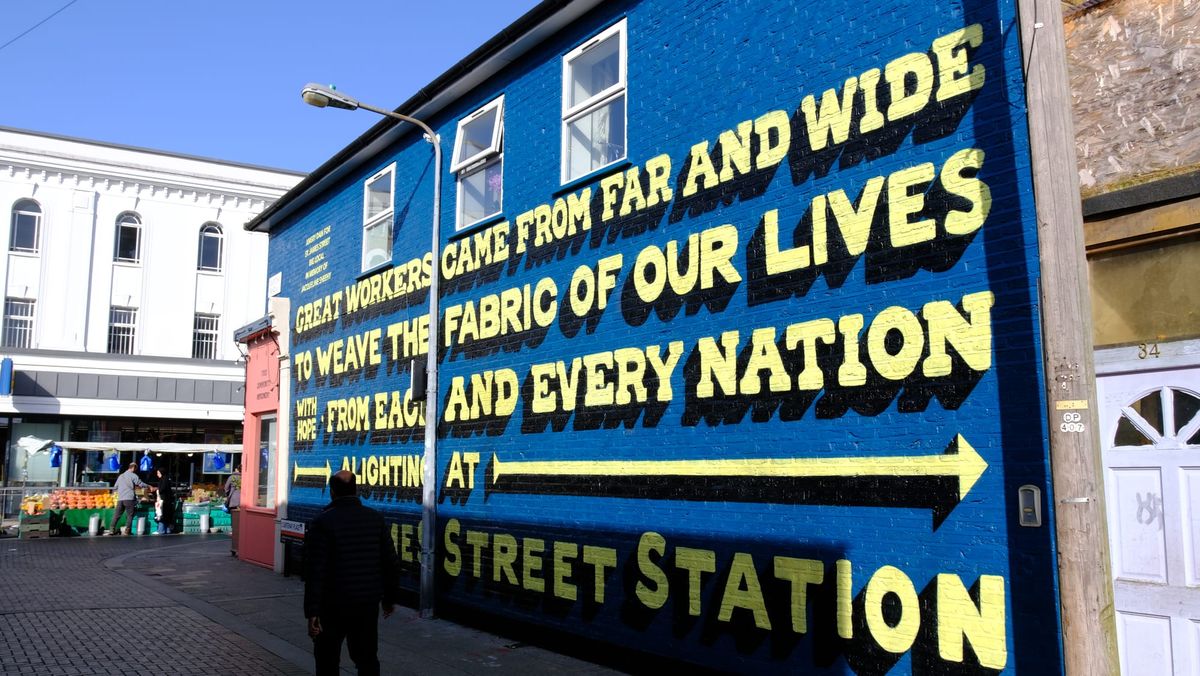
Being on the high street of Walthamstow, East London, once the longest market street in Europe, stretching between St James and Hoe Street, meant seeing thousands of people pass by every day.
Many come for the affordable textile shops, charity shops, and food stalls. Yet despite the street being pedestrianised, there are very few public places to sit and rest, almost no inviting green spaces, and hardly any accessible public toilets.
Over the years, the high street has been shaped by the “market forces” that cater to diverse migrant and low-paid communities, resulting in a cold, fragmented environment designed primarily for transaction, somewhere to pass through, buy what you need, and leave.
This environment shapes behaviour. It becomes easier to drop litter, to urinate in corners, and to show less care for the space or for others. The street gives little sense of belonging or community, nowhere that invites people to stay, feel comfortable, or connect.
By contrast, the nearby “Walthamstow Village”- designed for the newer, middle-class residents who arrived over the past two decades is full of trees, greenery, and colourful, welcoming restaurants, galleries, and boutique shops. It highlights what the high street could have been with thoughtful investment and care.
Not to gentrify, but to support the existing communities, to create a space that nurtures belonging and dignity in the same way the “village” does for its newer residents.
So what did it mean to be a “free space”?
We drew inspiration from Sylvia Pankhurst’s East London Federation of the Suffragettes and their radical community kitchen during the First World War. For the first time, working-class people could gather to eat affordable food prepared with care, in a space that sustained both the women who ran it and the community it served.
For Pankhurst, it was essential that this wasn’t “charity” or another soup kitchen. Even if people couldn’t pay, they were still welcomed and treated with dignity. At its height, 400 people ate there daily. It became a social and political hub where people recognised the injustices they faced and began to discuss rights to food, equality, and the effects of war profiteering.
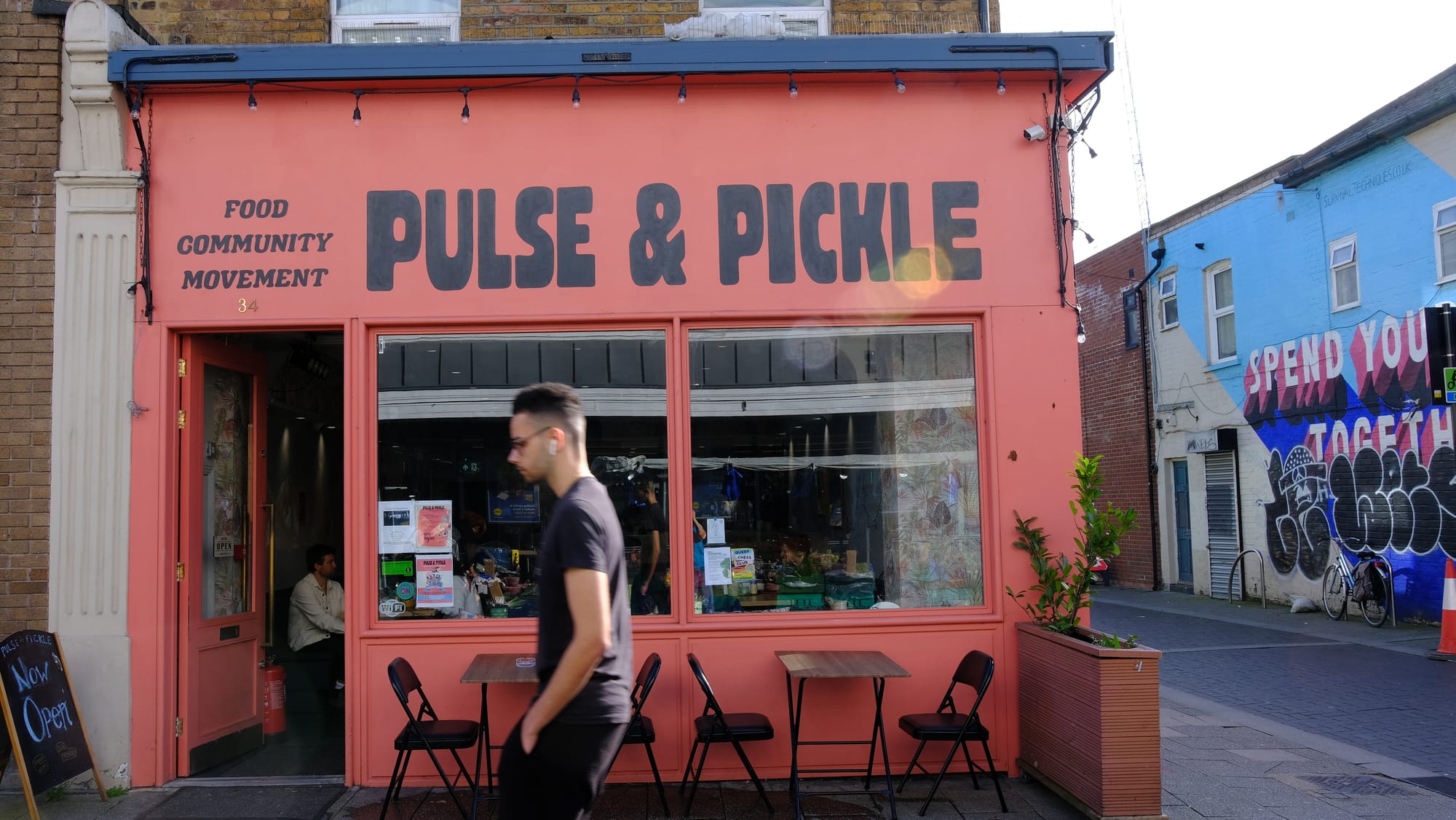
This spirit inspired us to open our community hub and restaurant on the more neglected part of the high street, directly opposite a large discount supermarket, where we engaged daily with people who might not be familiar with vegan food or with the idea of shared, free, and safe community spaces.
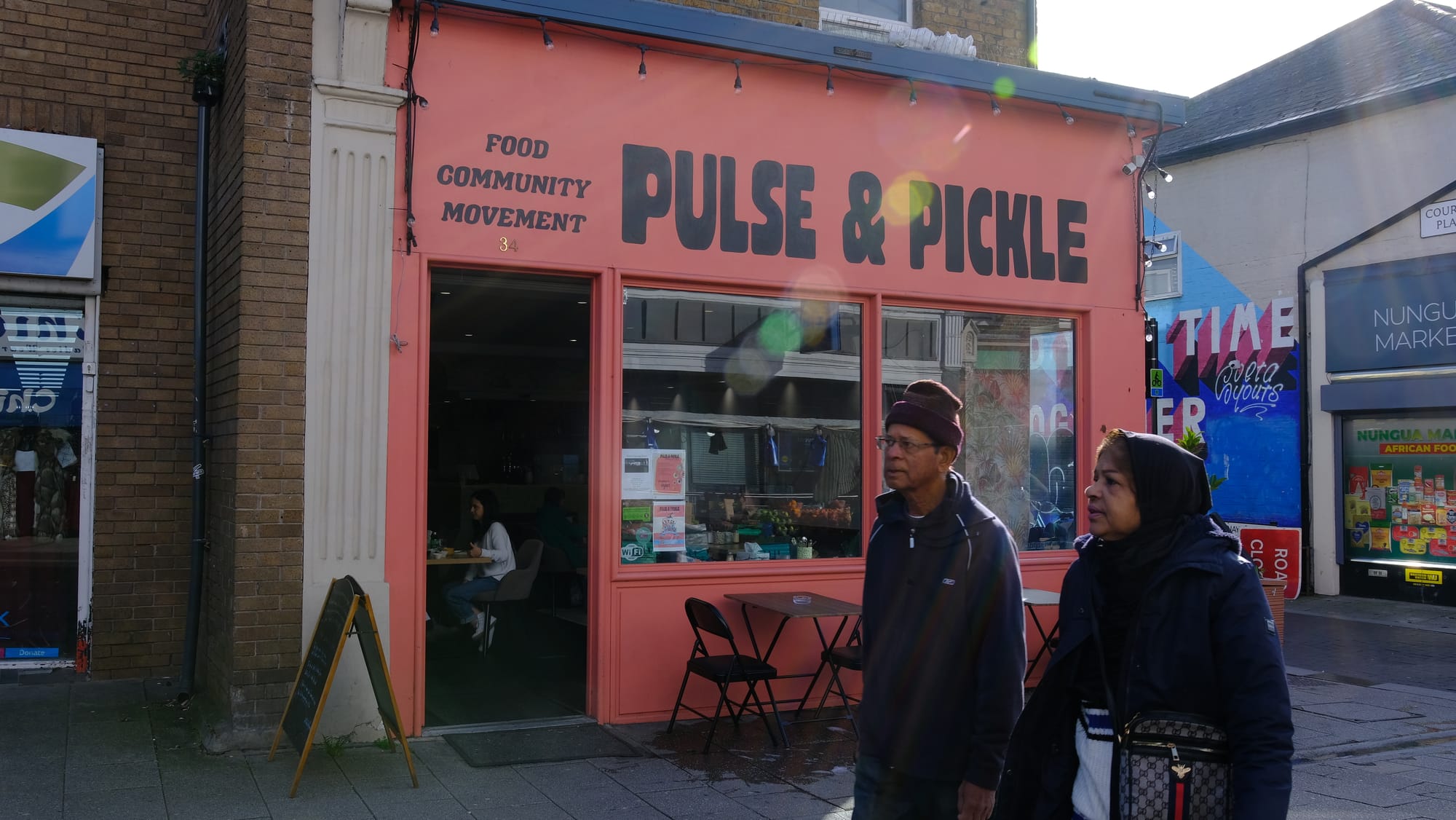
In practice, this meant that 25-40 people, mostly elderly or vulnerable but not only, sat at our outdoor tables each day. Some to rest, some waited for someone, and others simply watched the world go by. When we approached with water or a greeting, their first instinct was often to apologise for taking up space, or ask what they need to buy.
When we explained that they’re welcome to sit without ordering, their faces softened. Many later returned, often buying a tea or coffee in solidarity.
The same is true for our toilets. In an area with almost no public facilities, we saw 20-30 people a day asking to use them. Most were surprised we said yes without requiring a purchase.
Some left a small tip, others stayed for a chat. Many came back. Our gender-neutral toilets also provided free sanitary pads for anyone who needed them.
Street cleaners and delivery couriers knew us as a safe space. They came in for a cup of herbal tea or water, to rest, or to use the toilet. Over time, we’ve built genuine relationships, they told us what’s happening on the street, and we shared stories and support.
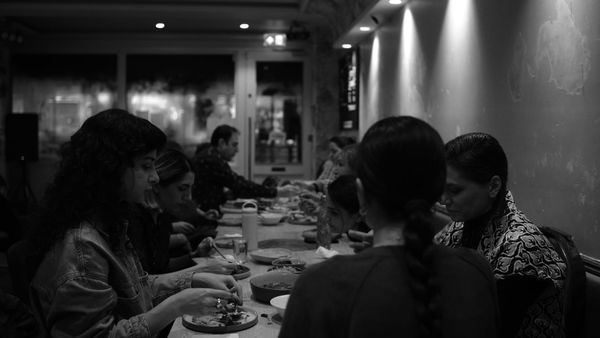
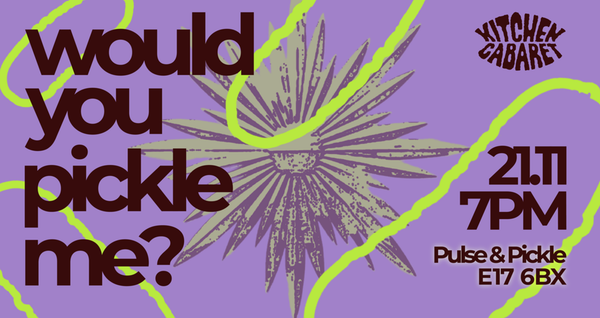
Inside, our space hosted around twenty local groups who used it as a safe meeting place, and we ran a busy monthly programme of free talks, workshops, exhibitions, film screenings, music events, and communal dinners.
Our approach differed from other “free spaces” in London. Like the suffragettes’ model, we aimed to build a place grounded in solidarity and care, not charity or unpaid labour. We are a not-for-profit, but we paid ourselves a minimum of £14.8 an hour and sourced our produce from local organic growers.
This made our costs higher, but we saw it as the only possible path forward. We want farmers to live with dignity, and we want artists, musicians, and facilitators to feel valued for their time and skills. Every collaboration, whether through shared income or shared meals, was based on respect and mutual care.
We kept our prices as affordable as possible while serving slow, organic vegan food made with thought and integrity. The same principle guided our events: we use sliding scales of prices and balanced costs carefully, ensuring they remain accessible and inclusive.
Our belief in the need for a “free space” that isn’t based on charity is tested daily. Can places like this exist it in the current economic climate? We don’t know. But we keep trying, because creating such spaces feels like the most vital act of hope we can offer.